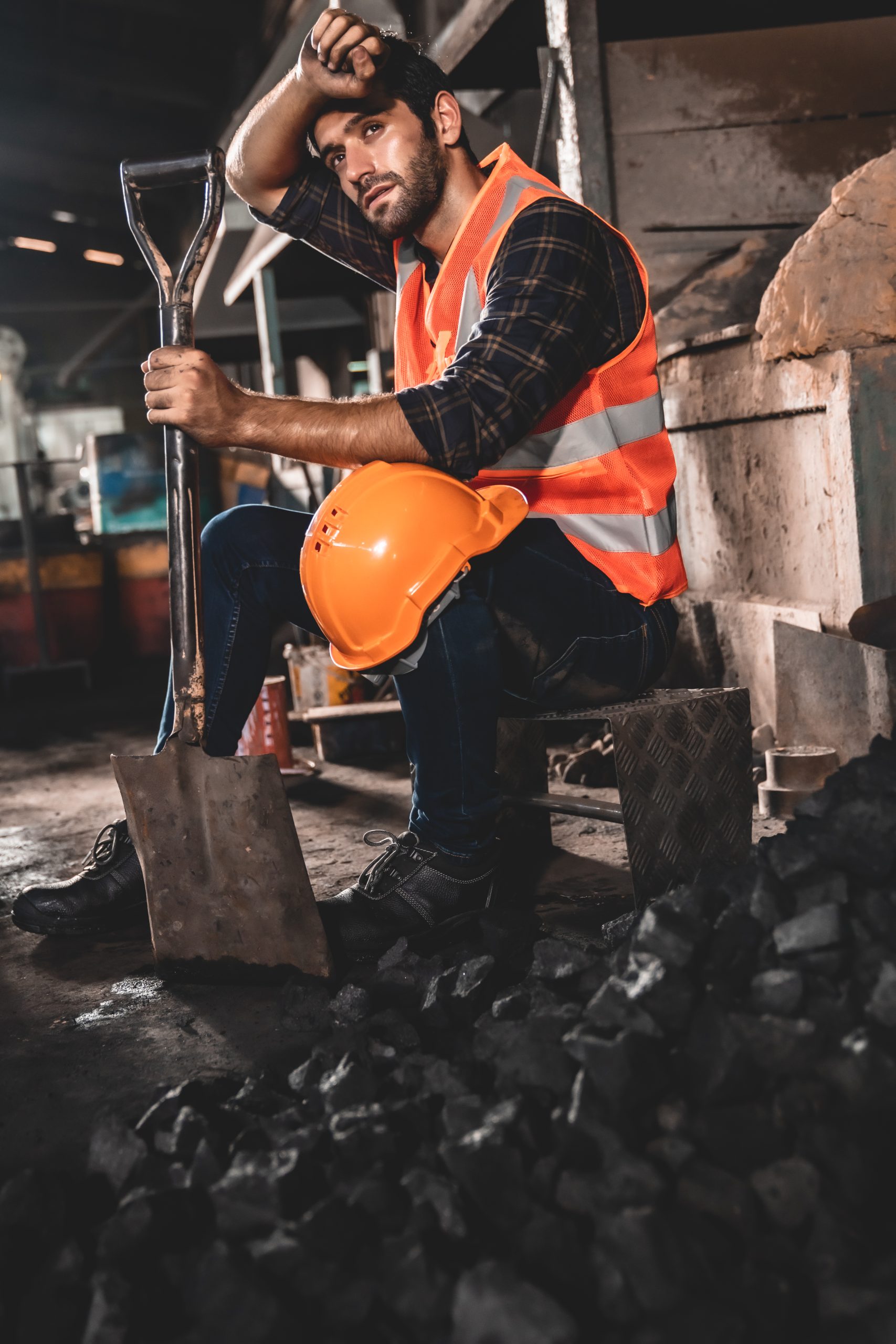
Kurram’s coal-mine collapse: another preventable tragedy
On Sunday–Monday (October 12–13, 2025), a coal mine in the Yasta Tora Wari/Tora Warai area of Kurram district, Khyber Pakhtunkhwa, caved in after an underground explosion triggered a sudden inrush of water. Initial reports said six men were trapped; by the next day, at least five miners—most of them from Shangla’s Poran tehsil—were confirmed dead as rescuers battled flooding and unstable strata.
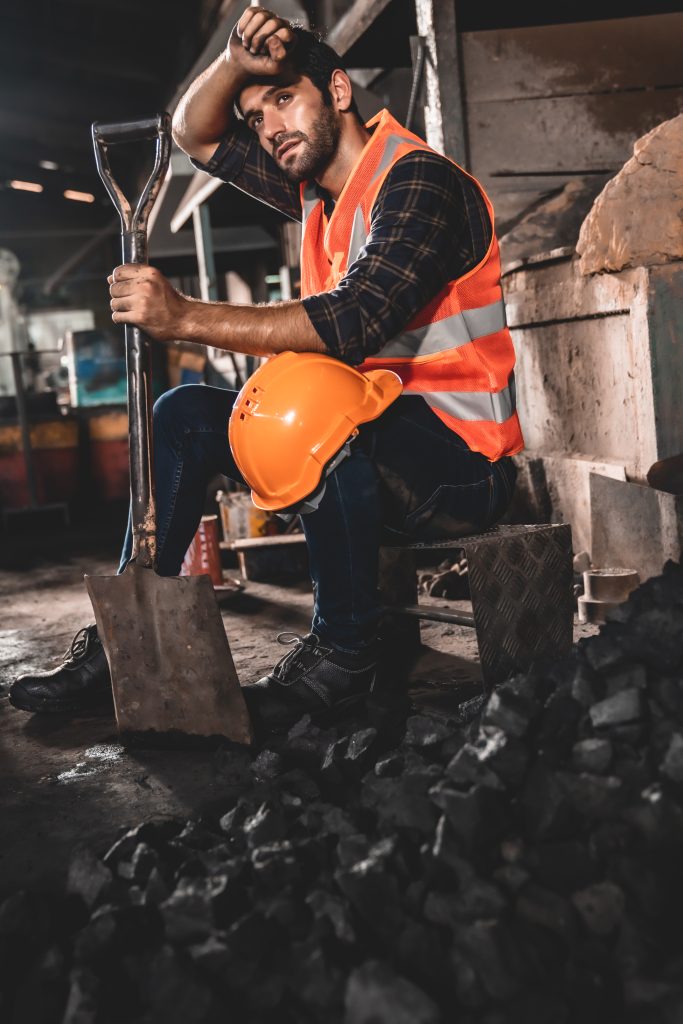
According to local officials, a blast underground preceded the collapse and likely destabilized workings while pushing water into the galleries—classic conditions for a rapid cave-in. Recovery teams struggled amid poor access and continuing seepage, while families waited at the pithead for word. The pattern is painfully familiar: a dangerous workplace, limited monitoring of explosive gases and water, and inadequate emergency controls.
The larger pattern: weak governance, strong incentives to cut corners
Pakistan’s coal mining is spread across Balochistan, Khyber Pakhtunkhwa (including former FATA districts like Kurram), Punjab and Sindh. It employs hundreds of thousands and supplies power plants, brick kilns and industry. But regulation has not kept pace with risk. On paper, Pakistan still leans on the colonial-era Mines Act, 1923 for the basic legal scaffold—supplemented by provincial laws after the 18th Constitutional Amendment devolved labour and mineral safety to the provinces. In Khyber Pakhtunkhwa, the Mines Safety, Inspection and Regulation Act, 2019 empowers inspectors, mandates manager responsibilities, and even allows closures for unsafe conditions. In practice, enforcement capacity is thin, inspections are infrequent, and many small leases operate informally or with marginal compliance.
A persistent gap is Pakistan’s non-ratification of the ILO Safety and Health in Mines Convention (C176), a global baseline that requires robust risk management systems, worker participation, emergency planning, and independent oversight. The ILO and labour federations have urged Pakistan for years to adopt C176; discussions have occurred, but ratification and full implementation remain pending. That policy vacuum translates into weak, uneven standards underground—especially in small, contractor-run operations.
The human toll is real and recurring. Academic reviews of official data show 53 underground coal-mine accidents causing 312 deaths between 2010 and 2018, with mine collapses alone accounting for about half of all fatalities. Independent union tallies suggest that in bad years the death toll across mines can exceed 150. Major blasts in Balochistan in 2023–24—Harnai and Singidi among them—underline how methane, poor ventilation, and weak supervision remain lethal.
Why miners keep dying
1) Fragmented responsibility after devolution. Provinces now own mine safety, but budgets, inspectors, labs, and training pipelines haven’t scaled accordingly. Coordination between mineral departments, labour/welfare, disaster management, and local administrations is patchy.
2) Outdated codes and inconsistent adoption of modern controls. The 1923 Act wasn’t designed for contemporary risk management. Provincial acts (like KP’s 2019 law) are steps forward, but rules and codes of practice (gas monitoring, strata control, water management, emergency egress) are still unevenly translated into practice—especially for small mines.
3) Weak inspection and contractorized labour. Small leaseholders often sub-contract extraction to labour sardars paid by output. That structure rewards speed over safety and can impede enforcement. Worker training, PPE, self-rescuers, and drills are minimal; fatalities cluster in such settings.
4) Known technical hazards—poorly controlled. Methane pockets + dust + blasting; inadequate ventilation and gas detection; compromised roof support and lagging timber/bolting; uncontrolled water accumulation in old workings; single-entry galleries without secondary escapeways; lack of refuge chambers or body-worn self-rescuers. The Kurram collapse—blast followed by a water surge—fits this known failure pattern.
5) Little voice for workers underground. Without genuine joint safety committees and protected whistleblowing, near-misses go unreported, and unsafe production continues. C176 emphasizes worker participation for a reason; Pakistan hasn’t internalized that culture across the sector
What must change—now
1) Ratify and implement ILO C176, with provincial action plans. Ratification should be paired with time-bound provincial roadmaps: standards harmonization, inspector training, minimum equipment lists, and mandatory risk assessments (HIRA) for every working seam. Tie compliance to lease renewal and royalty rebates.
2) Professionalize the inspectorates. Staff and fund provincial inspectorates to modern benchmarks: one underground-specialist inspector per defined number of active faces; 24/7 incident-response cells; mobile gas analysis and strata monitoring; surprise audits; public dashboards of inspection results. In KP, fully operationalize the powers in the 2019 Act to issue improvement and prohibition notices—and use them.
3) Make critical controls non-negotiable. Require, verify, and document the following in all underground coal operations:
- Ventilation and gas control: engineered ventilation plans; fixed and portable methane/CO monitors at faces; pre-shift gas tests logged by a certified deputy; automatic power trip at explosive thresholds.
- Strata control and support: survey-based roof/side support plans; systematic roof-bolting where geology demands; daily convergence checks; immediate withdrawal on warning signs.
- Water management: mapping of old flooded workings; continuous dewatering with redundancy; inbye water-level alarms; no blasting near suspected water bodies; probe drilling before advancing headings.
- Egress and refuge: dual escapeways to surface; refuge bays stocked with air, water, comms; self-rescuers issued and inspected; mandatory quarterly evacuation drills with timed muster sheets.
- Explosives safety: licensed shot-firers only; hot-work and blasting permits; segregation of combustible dust; post-blast gas clearance protocols.
These are standard in high-performing mining jurisdictions and are feasible for Pakistan with staged implementation and pooled services for small mines. (The frequency and lethality of collapse/blast incidents here make these controls essential.)
4) Shift incentives: safety-linked royalties and procurement. Offer royalty reductions/levy rebates to mines that achieve verified compliance (inspections + sensor data + worker-committee sign-off). Large buyers (power plants, cement, steel) should adopt supplier safety charters, refusing coal from non-compliant pits. Public procurement under provincial energy programs can hard-wire such clauses. (This mirrors approaches used in other high-risk supply chains.) Inference based on international best practice.
5) Tripartite safety committees at district level. In Kurram, set up a District Mines Safety Committee led by the Deputy Commissioner and Chief Inspectorate representatives, with elected miner delegates and leaseholders. Require monthly “critical controls” reviews and publish minutes. Worker voice is the cheapest, fastest detector of unsafe drift.
6) Skills, certification, and culture. Create short, modular certifications for underground deputy/overman, ventilation officer, shot-firer, and first responder—delivered through mining schools in KP and Balochistan with ILO support. Make certification a condition to hold these posts; subsidize for small mines. Couple this with near-miss reporting protections and rewards for hazard identification.
7) Technology that fits the field. Start with rugged basics:
- Portable multi-gas detectors for every crew.
- Low-cost fixed methane nodes at faces with SMS alerts to managers/inspectors.
- Handheld lidar or simple extensometers for roof convergence checks.
- Battery cap-lamps with RFID tags for underground headcount and last-seen location.
Pilot a provincial Mine Safety Digital Register where managers file pre-shift reports, gas logs, and equipment inspections; inspectors see anomalies in near real-time. (These tools are inexpensive relative to a single fatal accident.)
8) Emergency readiness and mutual aid. Establish a Kurram Mines Rescue Station with trained teams, breathing apparatus, pumps, thermal imaging, and borehole drilling access—co-funded by the province and leaseholder levy. Sign mutual-aid MOUs with Orakzai/Kohat districts and NDMA/PDMA for surge capacity.
9) Dignity and compensation for workers. Mandate enrolment in social security (EOBI/SESSI/ESSI equivalents), employer-funded life/disability insurance, and transparent compensation boards with union seats. Publish claims processed after every accident. Families should not have to beg at the pithead.
A specific agenda for Kurram
Kurram’s geology and mine layouts mean the next blast-plus-water event is a when, not an if, unless controls improve. Within 90 days, authorities and operators should:
- Audit all active faces for: ventilation adequacy, methane trends, water risks, roof support plans, escapeways. Issue prohibition notices where critical controls are missing.
- Stand up a district incident command plan: who triggers evacuations, who calls mutual aid, where pumps and generators come from, which hospital handles mass-casualty events.
- Equip every crew with portable gas detectors and self-rescuers; run a district-wide evacuation drill and publish the results.
- Publish a mine safety register: license status, last inspection, non-compliance notices, and closure orders—naming operators and contractors. Public transparency is a powerful enforcement tool.
- Engage buyers (utilities, cement plants) to sign a charter to purchase only from mines that meet a minimum safety score, verified quarterly.
Honour the dead by fixing the system
In the last decade, research has shown how collapses and methane explosions repeatedly dominate Pakistan’s mine fatalities—and how most are preventable with basic engineering and disciplined supervision. The Kurram collapse fits the pattern: a blast, a surge of water, a cave-in, and families from far-off Shangla waiting for bodies. If Pakistan ratifies C176, funds its inspectorates, and makes critical controls non-negotiable, the “accident” category that swallowed these men can shrink sharply within a few years.
Until then, the country will continue to pay for cheap coal with expensive lives.